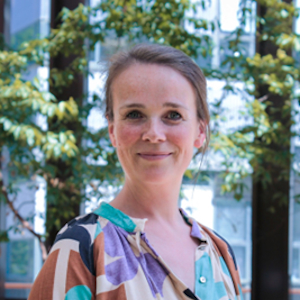
XlV JORNADAS DE CARBOHIDRATOS DE LA RSEQ 2026
My Congress
Login Here
Login Here
Enter your registered email and the visual code displayed below to proceed with the forgotten password process:
PLENARY SPEAKERS:

Title: Activity-based Probes in the Glycosciences: examples from biotechnology and medicine
Biographical Sketch
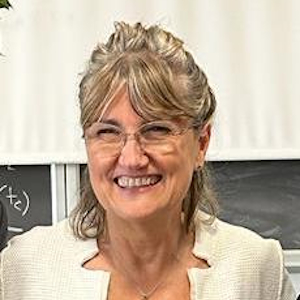
Title: Sweet Chemistry Meets [4+2] Cycloadditions: Building Locked MUC1 Mimetics
Biographical Sketch
INVITED SPEAKERS:
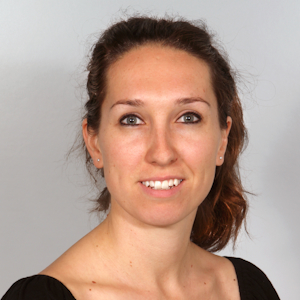
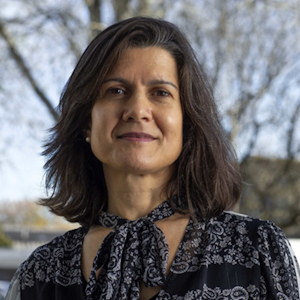
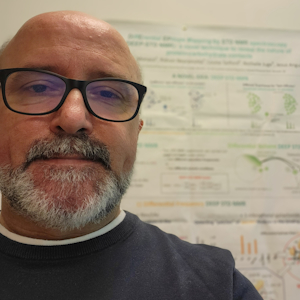
Title: Decoding Weak Glycan Binding: Advancing STD NMR and Computational Approaches for Structure and Affinity
Biographical Sketch
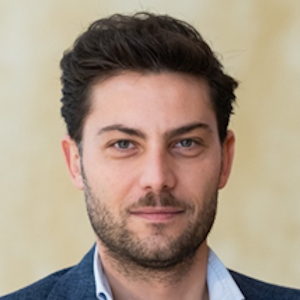
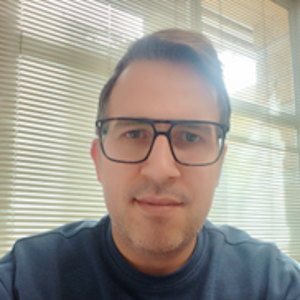
Title: Synthetic oligomannosides as glyco-tools to explore glycan-mediated biological processes
Biographical Sketch
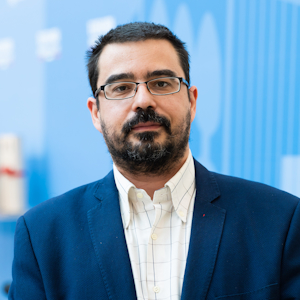
Title: AI-Driven Protein Design for Biotechnological and Therapeutic Applications
Biographical Sketch
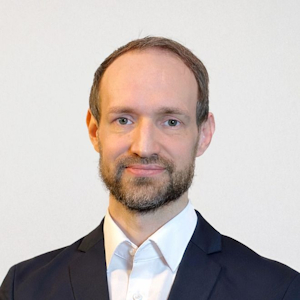
Gideon Davies leads a research group in the Department of Chemistry at the University of York, U.K. Following a PhD in Bristol, UK, he worked in Hamburg and Grenoble with periods in Uppsala, and with Steve Withers in Vancouver.
He is most renowned for his work on carbohydrate-active enzymes, their 3D structures and their reaction mechanisms. He pioneered the analysis of reaction conformational itineraries and now applies mechanistic and structural insight for development of novel inhibitors and enzyme probes (where he shares an ERC Synergy Grant with Herman Overkleeft in Leiden and Carme Rovira in Barcelona).
In his lecture he will share the development and application of these probes for the dissection of enzyme function in both medical and biotechnological domains.
https://www.york.ac.uk/chemistry/people/gdavies/
Cristina Nativi graduated in chemistry (magna cum laude) at the University of Florence, Italy. Awarded with a grant from the Fond National Suisse, from 1987 to 1989 she worked as research fellow on “naked sugar” in the group of professor Pierre Vogel, at the University of Lausanne (CH). In 1991 she became assistant professor at the University of Florence and in 1993, awarded with a CNR-NATO grant, she moved to the Université de Montrèal (CDN) to study new glycosylation methods in the group of professor Stephen Hanessian. In 2000 she became associate professor at the University of Florence, where since Feb. 2005, she is full professor of organic chemistry. She is co-authors of more than 190 papers, 5 book chapters and 5 licenced patents.
RESEARCH INTERESTS The development of saccharidic anti-pathogens; the design and synthesis of antigen mimetics for immunotherapy; molecular recognition of carbohydrates and the development of saccharidic inhibitors of Matrix Metalloproteinases (MMPs).
HONORS & AWARDS
- From 2017, invited guest of the Faculty Exchange Program of the Chandigarh University (India)
- Member of the scientific committee of the start-up GiottoBiotech
- 2018- 2023: Chair of the Italian Interdivisional Group of Carbohydrate of the Italian Society of Chemistry
- 2014: Research paper selected by SciBX (Science Business eXchange)
- 2019: prize of the Organic Division of the Società Chimica Italiana (SCI) for relevant research on Life Sciences
- Selected in 2020, by ACS Omega journal as “Women at the Forefront of Chemistry” (https://pubs.acs.org/page/acsodf/vi/women-in-stem2020)
- 2025: “G. Berti” medal from the Division of Carbohydrate Chemistry
- 2025: EuChemS glycoscience division representative
Dr. Juan Luis Asensio is a Research Scientist at the Institute of Organic Chemistry (IQOG-CSIC) in Madrid, specializing in molecular recognition. Following his doctoral thesis on protein-carbohydrate interactions under the supervision of Professor Jiménez-Barbero, he completed a postdoctoral fellowship at the National Institute for Medical Research in London, focusing on nucleic acid recognition. Currently, his research program aims to decode the fundamental forces mediating carbohydrate recognition across diverse contexts. By integrating organic synthesis, NMR spectroscopy, and computational modelling, Dr. Asensio explores the "non-covalent world" of glycochemistry. His key areas of interest include aminoglycoside-RNA interactions, the role of CH/? interactions, and, more recently, the cryoprotective properties of antifreeze glycopeptides.
Since 2009, I have been a permanent Aragón I+D Research Investigator and Head of the Biophysics Area at the University of Zaragoza (BIFI). In 2019, I was promoted to R4 (full professor–equivalent). Since 2018, I have also been a visiting investigator at the Copenhagen Center for Glycomics (University of Copenhagen), expanding collaborations in functional and structural glycobiology. My research dissects the molecular and catalytic mechanisms of glycosyltransferases, transglycosidases, glycosidases, and mucinases, and their roles in disease and glycosylation. More recently, we have extended these efforts to the discovery and engineering of antibodies and nanobodies targeting glycan epitopes and glycan-processing enzymes.
Dr. Rachel Hevey is a Principal Investigator at the Dept. Pharmaceutical Sciences, University of Basel. After completing degrees in Chemistry and Biological Sciences, she pursued her PhD at the University of Calgary (Canada) focused on glycoconjugate vaccine development and elucidating glycan-based ligands of bacterial toxins. In 2013, she joined the University of Basel (Switzerland) as a postdoctoral researcher, leading a new project to help elucidate the role of siglecs in diabetes, and developing glycomimetic antagonists of therapeutically-relevant lectins. In 2015 she was promoted to her current position, where her team uses a combination of organic chemistry, protein engineering, and molecular biology to elucidate the diverse roles of glycans in disease and the translation of this knowledge into novel glycan- and glycomimetic-based therapeutics
Paula Videira leads the Glycoimmunology Research Group, director of the UCIBIO research Unit and Full Professor in Glycobiology and Immunology at the Life Sciences Department of NOVA School of Science and Technology, Universidade NOVA de Lisboa. Her scientific journey is driven by a deep curiosity about the intricate roles of glycans in disease and a commitment to translating Glycosciences into innovative, patient-centered immunotherapies.
Her research spans several cutting-edge areas, including the clinical implications of aberrant sialylated short O-glycans in cancer, the role of glycans in immunomodulatory molecules and immune responses, novel therapeutic strategies for congenital defects of glycosylation (CDG), and the development of anti-glycan antibodies and glycan-based technologies. Her work is highly multidisciplinary, integrating advanced in vitro and in vivo models, omics approaches, bioinformatics, and patient-centric methodologies to ensure that scientific insights lead to real-world impact.
She has authored over 105 scientific publications and holds four patents as principal investigator, with her work featured in top-tier journals such as BBA and Sci Reports, including invited reviews, clinical guidelines, and featured articles. She and her students have presented their findings at major international conferences, such as EuroCarb, SSIEM, AAI, and PEGS.
Her ability to secure funding is equally notable—she has raised nearly €4.5 million for research and an additional €1.4 million to spin off her technology, supported by competitive EU grants (Twinning, MSCA, EJPRD), industry partnerships, and innovation prizes. Her mentorship has empowered students and researchers to obtain individual fellowships and present their work globally.
Paula has played an active role in shaping the scientific community. She served on the Scientific Council of COST and currently contributes to the International Advisory Boards of the Slovak Academy of Sciences and RD-Portugal. She is a member of the editorial board of Scientific Reports, and regularly serves as a guest editor and reviewer for international journals and funding agencies.
Her commitment to education and outreach is reflected in her organization of international courses and congresses, including the Glyco e-learning course. She is also a co-founder of CDG&Allies-PPAIN, a unique patient-centric network that unites professionals and patient associations worldwide to foster research and awareness on rare glycosylation disorders. The initiative has produced several impactful resources, including lay-language documents for the public. In 2019, Paula co-founded CellmAbs, a biopharmaceutical company developing immuno-oncology agents targeting tumor glycans. The company has received multiple awards, secured investment, and in 2024, finalized a landmark agreement with a major pharmaceutical partner to bring its technology into clinical development. That same year, she co-founded Valvian, a new venture focused on AI-driven immune therapies.
Paula Videira’s career reflects a rare blend of scientific rigor, innovation, and compassion anchored in the belief that research should serve patients and society alike.
Full Professor of Chemical Glycobiology at the Stratingh Institute for Chemistry at the University of Groningen.
Marthe Walvoort obtained her PhD degree in 2012 (cum laude) at Leiden University (the Netherlands) on the organic chemistry of carbohydrates. This was followed by a postdoctoral period in glycobiology at Massachusetts Institute of Technology (Boston, USA). In the end of 2015, Walvoort joined the University of Groningen as Assistant Professor and Rosalind Franklin fellow in the Chemical Biology division at the Stratingh Institute for Chemistry, and she was promoted to Full Professor in Chemical Glycobiology in 2026. She received the KNAW Early Career Award and NWO Athena Award (2021), and obtained the competitive ERC-Starting Grant (2022) and NWO-Vidi grant (2025).
In her research, Walvoort combines her expertise in organic (carbohydrate) chemistry and biochemistry to unravel the impact of sugars in health and disease. Current research topics include bacterial adhesin glycosylation and its impact on infection, the role of lipopolysaccharides in antibiotic susceptibility, and the synthesis of polysaccharide fragments to understand the health effects of probiotic bacteria.
For more info, check the group’s website: www.walvoortlab.co
Jesús Angulo is Group Leader at the Instituto de Investigaciones Químicas (IIQ, CSIC – University of Seville). He obtained his PhD from University of Seville (2002) under the supervision of Dr. Pedro M. Nieto, studying GAGs by NMR and molecular dynamics. After postdoctoral training at the University of Lübeck with Prof. Thomas Peters on ligand-based NMR, he returned to CSIC as a Juan de la Cierva fellow (2006–2008), and a Ramón y Cajal scientist (2008–2013), investigating GAG and lectin interactions. He then established his research group at the University of East Anglia (2013–2020), where he was Associate Professor. In 2020, he returned to Seville first as a Distinguished Researcher, and then as Investigador Científico – CSIC, setting the Biomolecular Interactions & Structural Glycobiology group at IIQ, developing advanced NMR (e.g. DEEP-STD NMR, Epitope-Perturbation-by-Mutation STD NMR, IL-STD NMR) and computational techniques including RedMat, RedDat, and SHARPER NMR scoring to decode weak protein-glycan binding.
Luca Unione is an Ikerbasque Associate Professor and Associate Principal Investigator in the Chemical Glycobiology Laboratory of CICbioGUNE, where he leads a research program focused on understanding glycan–receptor interactions in infectious diseases from both basic and applied perspectives.
Luca was trained as a chemist at the University of Naples (Italy) and obtained the PhD in Pharmacy at the CIB Margarita Salas–CSIC in Madrid (Spain).
During his first postdoctoral appointment, Luca was awarded the Torres Quevedo fellowship to pursue translational research at the pharmaceutical company Atlas Molecular Pharma CIC bioGUNE (Derio, Spain).
In 2019, Luca was awarded the HFSP Fellowship for his second postdoctoral position in Utrecht University (The Netherlands). There, he developed chemo-enzymatic tools for the synthesis of complex glycans and investigated their roles in viral infection mechanisms.
In 2022 Luca joined CIC bioGUNE as a Juan de la Cierva and Ikerbasque Research Fellow. In 2023, he received the ERC Starting Grant to decipher the role of glycans in infectious diseases at atomic resolution. In 2025 Luca was awarded the Ramón y Cajal Fellowship and he serves as Visiting Professor at the Medical School of the University of Deusto.
Javier Ramos-Soriano received his PhD in Chemistry in 2017 (CSIC-Universidad de Sevilla). During 2017-2019 he pursued postdoctoral research at Universidad Complutense de Madrid to work in the synthesis of glyconanomaterials as antiviral agents. In 2019, he gained a MSCA Fellowship in Carmen Galán’s group (University of Bristol) working on bio-inspired fluorescent glycan-nanoprobes. In 2021, he joined the Glycosystems Lab at the IIQ (CSIC) in Seville as Talent Hub, Juan de la Cierva-Incorporación and Ramón y Cajal Fellows. Recently, he got a permanent position as Tenured Scientist of the CSIC. He has been awarded with the best PhD Thesis in Andalucía (STAO-RSEQ) and the Carbohydrate National Award (GEHC-RSEQ), Reaxys RSEQ Early Career Researcher Award 2018 and the International Carbohydrate Organisation Young Researcher Award 2022. His research interests are focused on the development of glyco-tools to understand and intervene in biological processes related with pathogen infection and immune system.
Gonzalo Jiménez-Osés received his PhD in Chemistry from the Universidad de La Rioja in 2007 working on asymmetric organic synthesis, then moved to Universidad de Zaragoza as a lecturer to work on metal catalysis, and then to University of California Los Angeles, to work with Ken Houk as a postdoctoral researcher on computational chemistry and enzyme design. He started his independent career as a Ramon y Cajal research fellow in 2015 back in University of La Rioja and joined CIC BioGUNE in 2019 as Principal Investigator of the Computational Chemistry Group. In September 2020 he was promoted to Ikerbasque Research Associate and in 2023 to Ikerbasque Research Professor. He is also a lecturer on metabolic chemistry in Deusto University.
His research is highly collaborative and cross-disciplinary and uses multiscale computer simulations and wet lab validation to predict and understand complex chemical and biological processes, with special focus on protein design, bioorthogonal chemistry and molecular recognition.
Awards: Young Group Leader, Spanish Royal Society of Chemistry (RSEQ, 2021), SusChem Postdoc Award (2016), Emerging Investigator Award (University of La Rioja, 2016), Amgen Award for Postdoctoral Research (UCLA, 2014), MBI Research Excellence Award (UCLA, 2014).
Felix Loeffler is Professor at the Hamburg University of Technology (TUHH) and head of the Institute for Molecular and Multimaterial Manufacturing (i4M). His research focuses on additive nanomanufacturing technologies for the high-throughput synthesis of glycopeptides, glycans, and other functional materials. In glycoscience, his work specifically centers on on-chip synthesis of glycopeptides and glycans, combinatorial microarray fabrication, and their application in molecular and multivalent recognition. He holds multiple patents and has received several awards, including the DECHEMA Prize and the DFG Heisenberg Professorship from the German Research Foundation.
Our website uses technical cookies to ensure the proper functioning of the site and to provide an optimal user experience. These cookies are essential to enable navigation on the site and access secure areas. We do not collect any personal information through these cookies and they cannot be disabled as they are necessary for the operation of the site. By continuing to use our site, you accept the use of technical cookies.
Our website uses statistical cookies to collect anonymous information about how visitors use our site. These cookies help us understand how users interact with the site, which pages they visit most frequently, and how they arrived at the site. The information collected through these cookies is used exclusively to analyze and improve the performance of the site, as well as to conduct market studies. We do not collect personally identifiable information through these cookies.
_ga
Used to send data to Google Analytics about the visitor's device and behavior. Tracks the visitor across devices and marketing channels.
Expiry: 2 Years | Type: HTTP
_ga_#
Used to send data to Google Analytics about the visitor's device and behavior. Tracks the visitor across devices and marketing channels.
Expiry: 2 Years | Type: HTTP
We use third-party cookies for the purpose of measuring and statistically analyzing users' utilization and navigation on the website. You can ALLOW ALL cookies to accept them all, ALLOW SELECTION to configure your preferences, or DECLINE to reject them. You can find more information in our Cookie Policy